Introduction
In today's world, sustainability is no longer just a buzzword; it's a need. As industries grapple with their ecological impact, the production sector is stepping up to meet these obstacles head-on. One location where substantial strides are being made remains in the production of N2O cream battery charger tanks These little yet vital devices, commonly called cream chargers, are critical in numerous culinary applications, particularly for light whipping cream and producing frothy textures. But how can we guarantee these items are produced sustainably? This post explores the sustainable innovations in the manufacturing of N2O cream charger tanks, checking out both the technological advancements and practices that are making a difference.
Understanding N2O Cream Charger Tanks
What Are N2O Cream Battery Charger Tanks?
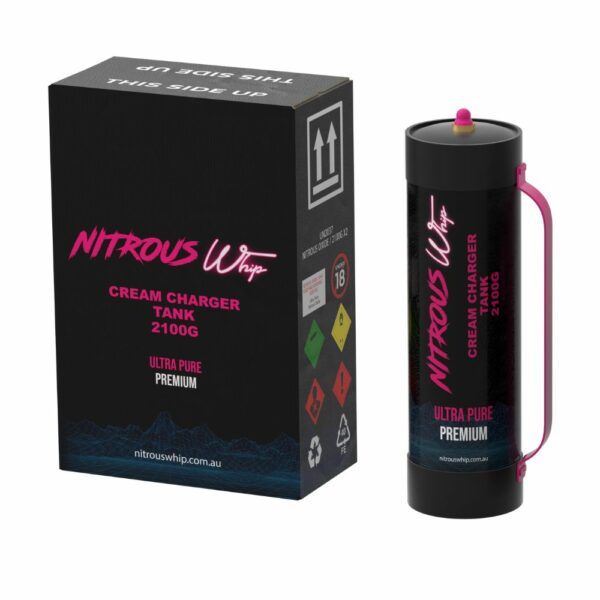
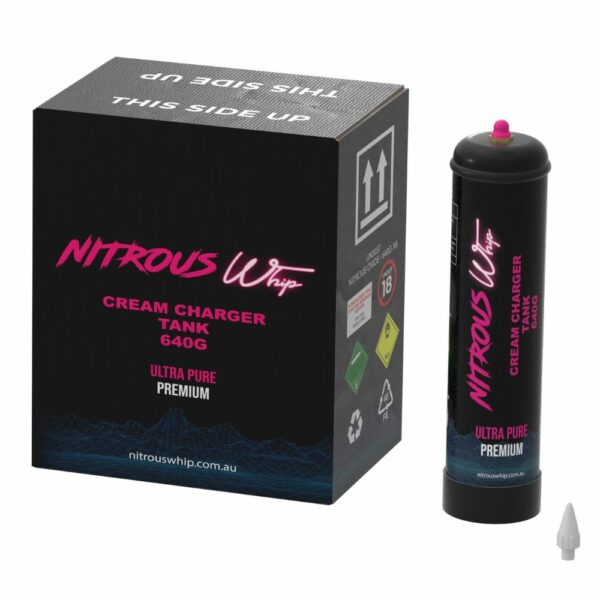
N2O cream battery charger tanks are small metal cartridges filled with nitrous oxide (N2O), which is utilized to produce whipped cream by pressurizing cream. These cylinders, typically described as whipped cream battery charger tanks or simply nangs, have actually become increasingly popular in both business kitchens and home cooking.
The Function of Nitrous Oxide
Nitrous oxide, typically known as laughing gas, has been utilized for its homes in various fields, including medication and cooking arts. In the context of whipped creams and other foams, it acts as a propellant that produces air bubbles when launched from the tank.
Types of Cream Charger Tanks
There are several kinds of cream charger tanks offered on the marketplace:
- Whipping Cream Charger Tanks Nitrous Oxide Cream Charger Tanks Cream Charger Canisters Cream Battery charger Cylinders
Each type serves a particular purpose however shares common production procedures that can be optimized for sustainability.
Sustainable Developments in the Manufacturing of N2O Cream Charger Tanks
Eco-Friendly Materials
One considerable development in sustainable practices involves using eco-friendly products in production. Business are now checking out naturally degradable and recyclable products for producing these chargers. Changing from standard metal to more sustainable alternatives can substantially decrease waste and energy usage throughout production.
Benefits of Eco-Friendly Materials
Reduction in Carbon Footprint: Making use of eco-friendly resources reduces reliance on fossil fuels. Enhanced Recycling Potential: More products becoming recyclable ways less stress on landfills. Consumer Appeal: Eco-conscious customers choose brand names that demonstrate sustainability efforts.Energy-Efficient Production Techniques
Manufacturers are significantly adopting energy-efficient procedures to produce their N2O cream charger tanks. Ingenious technologies such as solar energy, regenerative heat systems, and optimized equipment assistance lower energy usage throughout production cycles.
How Energy Efficiency Benefits Manufacturers
- Lower operational costs due to minimized energy consumption Enhanced brand track record amongst environmentally conscious consumers Compliance with future policies concerning emissions and energy use
Waste Decrease Strategies
Implementing waste reduction techniques throughout production can considerably contribute to sustainability objectives. By enhancing procedures, manufacturers can minimize scrap materials and improve general efficiency.

Examples of Waste Decrease Practices
Lean Production Techniques: Enhancing operations reduces material waste. Closed-loop Systems: Reusing scrap material within production helps reduce waste. Digital Monitoring Systems: Tracking resource usage allows for much better management decisions.The Environmental Effect of Nitrous Oxide Production
Understanding Nitrous Oxide's Results on Environment Change
Although nitrous oxide plays an important role in cooking applications, its production has notable environmental impacts. As a potent greenhouse gas, N2O contributes significantly to environment modification if not managed properly.
Mitigation Strategies for Nitrous Oxide Emissions
Improved Production Methods: Embracing techniques with lower emissions during nitrous oxide production. Carbon Capture Technologies: Investing in innovations that catch carbon emissions from nitrous oxide facilities. Regulatory Compliance: Following more stringent standards regarding emissions releases.Recycling Efforts for N2O Cream Battery Charger Tanks
Importance of Recycling Cream Chargers
Recycling used N2O cream charger tanks provides many advantages, consisting of lowering ecological effect and saving resources needed for brand-new product creation.
Steps Toward Effective Recycling Programs
Consumer Education Campaigns: Notifying clients about appropriate disposal methods. Partnerships with Recycling Facilities: Working together with local recycling centers ensures effective processing. Return Programs: Implementing programs where customers can return empty chargers for recycling incentives.FAQs About Sustainable Developments in the Manufacturing of N2O Cream Charger Tanks
1. What products are utilized in making N2O cream charger tanks?
Most N2O cream charger tanks are made from steel or aluminum however more recent innovations concentrate on using naturally degradable alternatives.
2. How does nitrous oxide contribute to environment change?
Nitrous https://manueldzvx325.trexgame.net/how-to-effectively-store-and-maintain-your-nitrous-oxide-cream-chargers oxide is a greenhouse gas that can trap heat in the environment over 300 times more effectively than co2 when not handled properly.
3. Are there any eco-friendly brand names producing cream chargers?
Yes! Many brand names now prioritize sustainability by using environmentally friendly products and executing green manufacturing processes.
4. What recycling options do I have actually for utilized cream chargers?
Many areas use recycling programs specifically designed for metal products like cream chargers; check regional guidelines or return programs used by manufacturers.
5. How can I ensure I'm buying sustainable products?
Look for certifications or identifying suggesting environmentally friendly practices or inspect makers' info about their sustainability efforts.
6. Is there an alternative to nitrous oxide for whipping creams?
While nitrous oxide remains popular due to its efficiency, some alternatives like compressed air systems exist but might not attain the same results efficiently.
Conclusion
As consumer awareness grows about environmental issues, manufacturers must adapt their practices accordingly-- specifically those associated with producing essential products like N2O cream charger tanks which play considerable roles across different sectors today! Through sustainable developments including eco-friendly materials, energy-efficient production methods, comprehensive recycling efforts-- all matched by regulatory compliance-- companies will not only enhance their track records but likewise contribute positively towards mitigating environment change effects related to conventional manufacturing methods!
This short article has actually checked out various measurements surrounding sustainable developments within this niche market-- showcasing how accepting duty through innovation paves paths towards greener futures while still providing quality items like whipped creams enjoyed globally!
For further insights into this subject or related queries concerning other aspects surrounding food innovation & & safety measures within cooking arts-- do not hesitate reaching out!